FAA Ground Stop: A New Router, Not a Hack
The FAA ground stop led to more than 9,000 cancellations. The FAA sees no cyberattack or AI; the initial probe points to a new router.
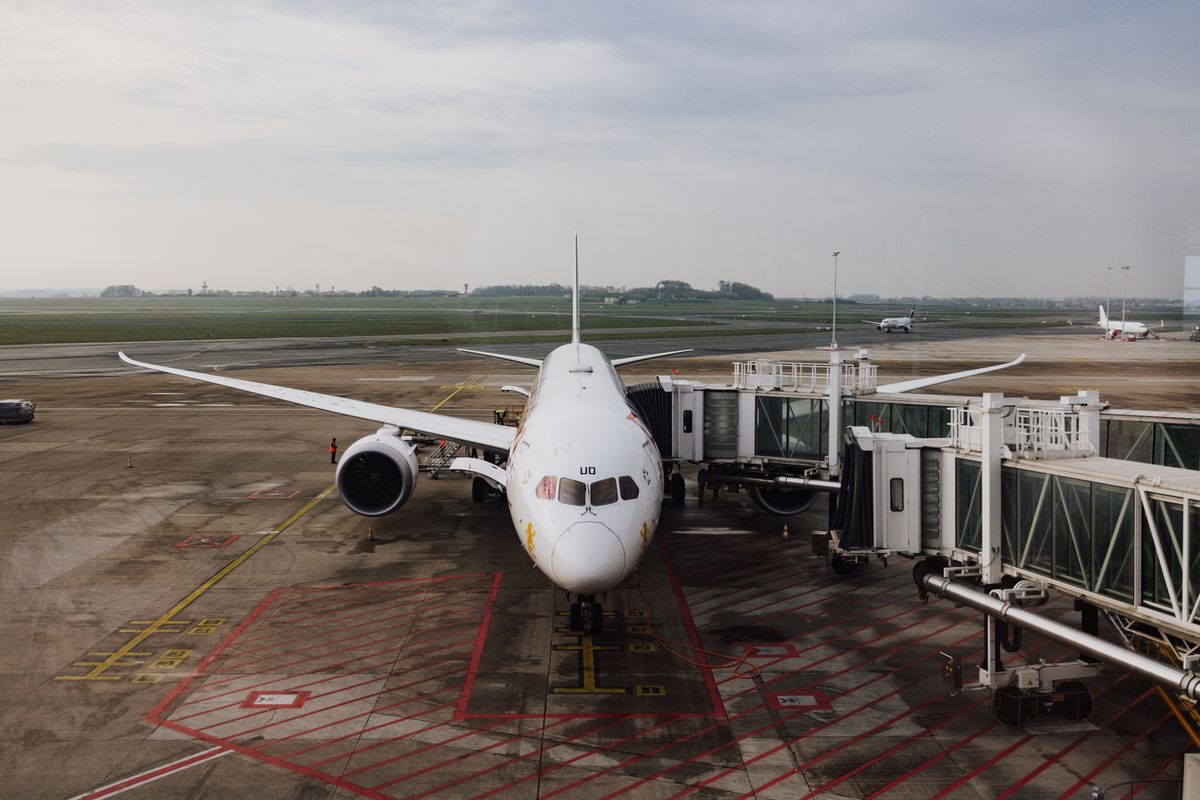
The FAA ground stop on Friday, November 13, 2026 halted air traffic across the United States for more than four hours and led to more than 9,000 cancellations by major airlines. The FAA says there is no indication of a cyberattack, and FAA Administrator Bryan Bedford says there is no evidence of anything involving AI. The initial investigation points to a new router that flooded the network with data. The root cause has not been determined.
What happened during the FAA ground stop
On Friday, November 13, the FAA ordered a nationwide halt to flights over a telecommunications problem. For many people, the first question was whether someone had hacked the system. The official answer, as of November 15, 2026, is that there are no signs of that.
The new router and the data that flooded the network
The initial investigation points to data that flooded the FAA's network from two sites. One of them was El Dorado, Arkansas, where its contractor L3Harris was working with a new router. According to Transportation Secretary Sean Duffy, that router sent more than a thousand connection attempts every four or five seconds.
Every flight landed safely. As a precaution, the FAA disabled that feature on about sixty similar routers.
What is still unknown
The root cause is still open. Duffy says it was either contractor error or a faulty piece of equipment, and that it has not been determined. The FBI is supporting the investigation, and Duffy has not fully ruled out an attack. It is also too early to blame anyone, whether the company or a specific technician.
One more caveat: the cancellation figures include flights that were not canceled directly by the ground stop, so the 9,000-plus are not all a direct effect of the halt.
How to apply it in your business?
The practical lesson is about habits, not technology: the danger does not always come from outside. A new device or an update can take down a critical system without anyone attacking it. If you run a network, a website or any system your business depends on, do three things:
- Check first what you recently updated or installed before looking for an outside culprit.
- Define a plan B for each critical system, even a manual one.
- Limit what a new device can do on your network while you test it, and keep unneeded features turned off.
Frequently asked questions
Was the FAA ground stop a cyberattack?
The FAA says it sees no indication of a cyberattack or an outside nefarious actor. The FBI is supporting the investigation, and Duffy has not fully ruled out an attack.
Did artificial intelligence have anything to do with it?
No. FAA Administrator Bryan Bedford says there is no evidence of anything involving AI.
What caused the problem?
The initial investigation points to a new router at El Dorado, Arkansas, where contractor L3Harris was working, that sent more than a thousand connection attempts every four or five seconds. The root cause has not been determined.
How many flights were canceled?
More than 9,000 flights by major airlines, though the figure includes flights not canceled directly by the ground stop.
Was anyone hurt?
Every flight landed safely.
Conclusion
The FAA ground stop made one uncomfortable point clear: a critical system can go down because of new equipment, with no hack and no AI involved. What remains open is the root cause. Which of your systems has no plan B?